It's under the surface
Hail can fracture the membrane's reinforcement and crush the insulation underneath without leaving an obvious mark on top.
Flat roof damage is hard to see from the top, so it gets missed and claims get denied all the time. But the damage is there, and it causes leaks down the road. You need a team that knows how to find it and prove it.
On a steep roof, hail hits are easy to spot. On a flat or low-slope roof, most of the damage hides in or under the surface.
Hail can fracture the membrane's reinforcement and crush the insulation underneath without leaving an obvious mark on top.
Damaged membranes and wet insulation often don't leak until months later, long after the storm is forgotten.
A walk across the roof rarely shows the full story. Proving flat roof damage takes the right tests and the right documentation.
We've spent years on flat and low-slope roofs of every kind. We know where to look and how to document what we find so anyone reviewing it can see the damage.
When hail hits a single-ply roof, it forces the membrane down onto the hard edge of a fastener plate underneath. That pinch can leave a small, crescent-shaped cut. Hail 1.5" or larger typically causes anvil strikes on TPO and EPDM.
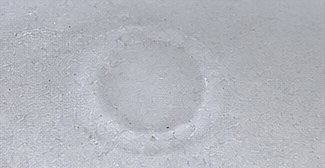
Anvil strikes are often very small and hard to see, especially right after the storm. The membrane can flex back and hide the damage.
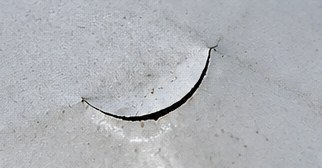
Every day the roof heats and cools. That expansion and contraction opens the cut, so the damage is often easier to see months after the storm.
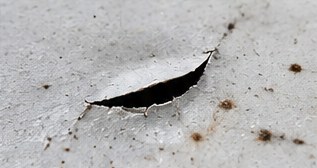
Over time the cuts open up and let water into the system, causing leaks, wet insulation and interior damage.
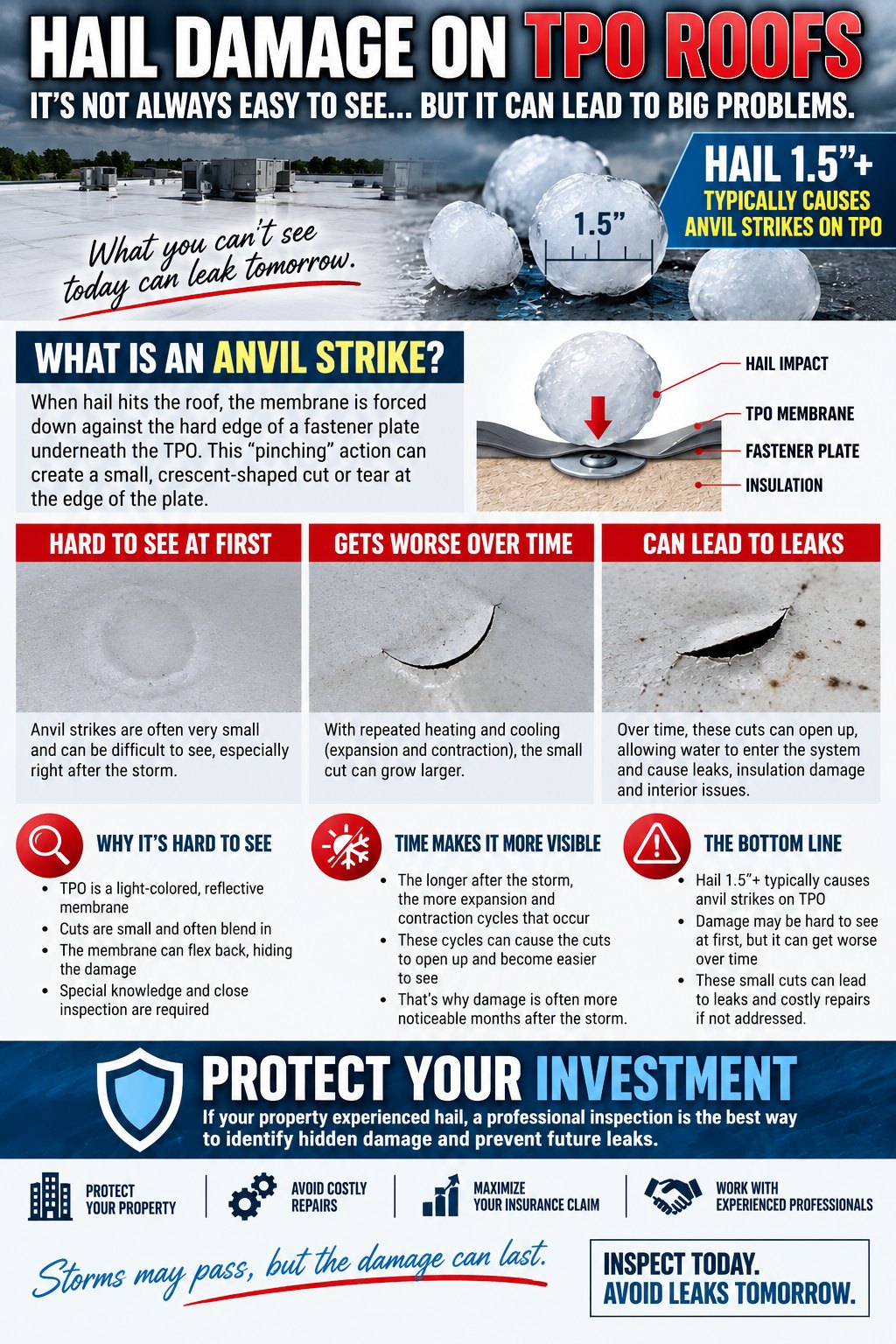 Hail damage on TPO roofs (flyer)
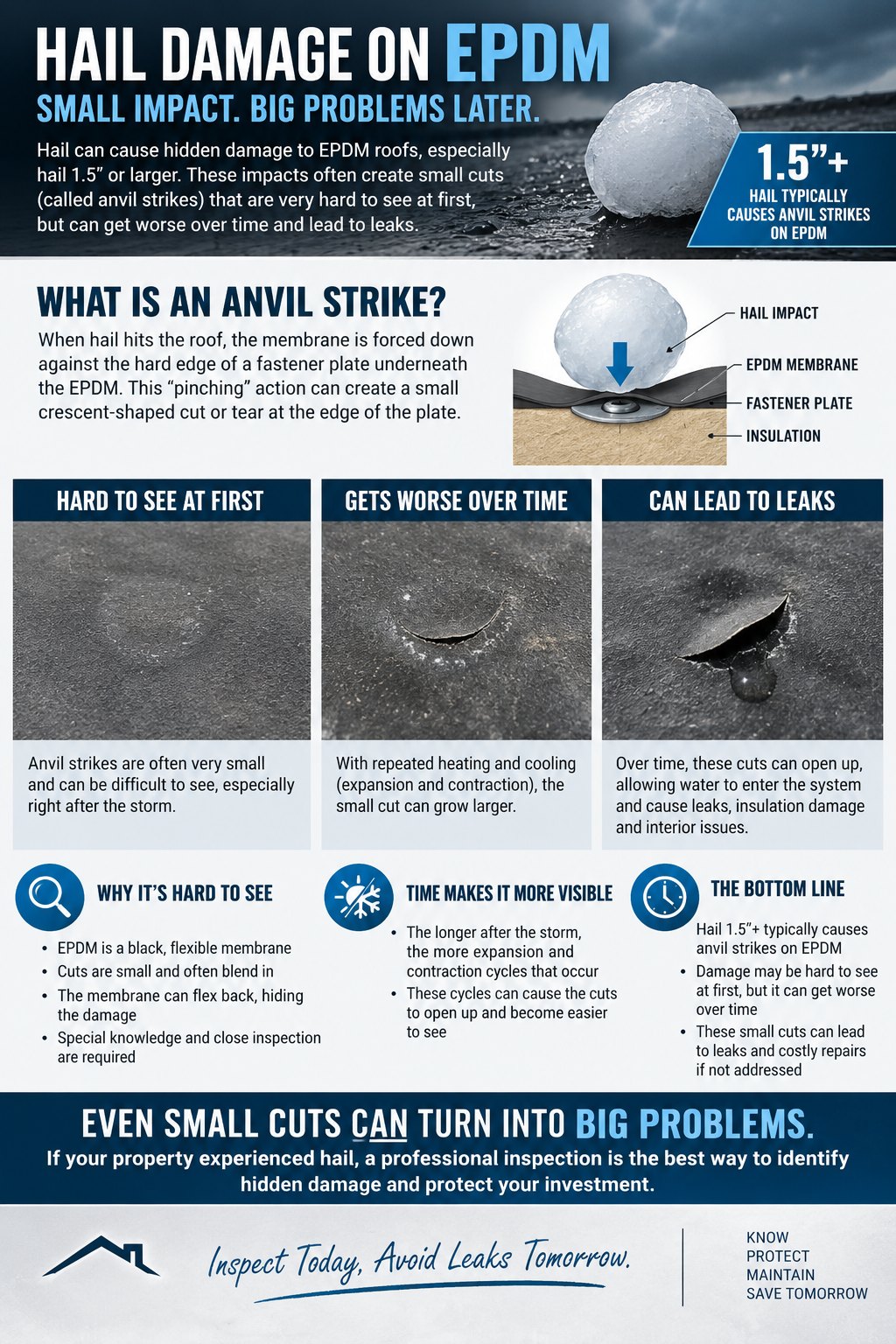 Hail damage on EPDM roofs (flyer)
A close, professional inspection is the best way to find hidden damage before it leaks, and before the window to claim it closes. Open a flyer to save or share it.
Request a flat roof inspectionShort videos from real flat roofs, showing damage you'd never spot from the top.
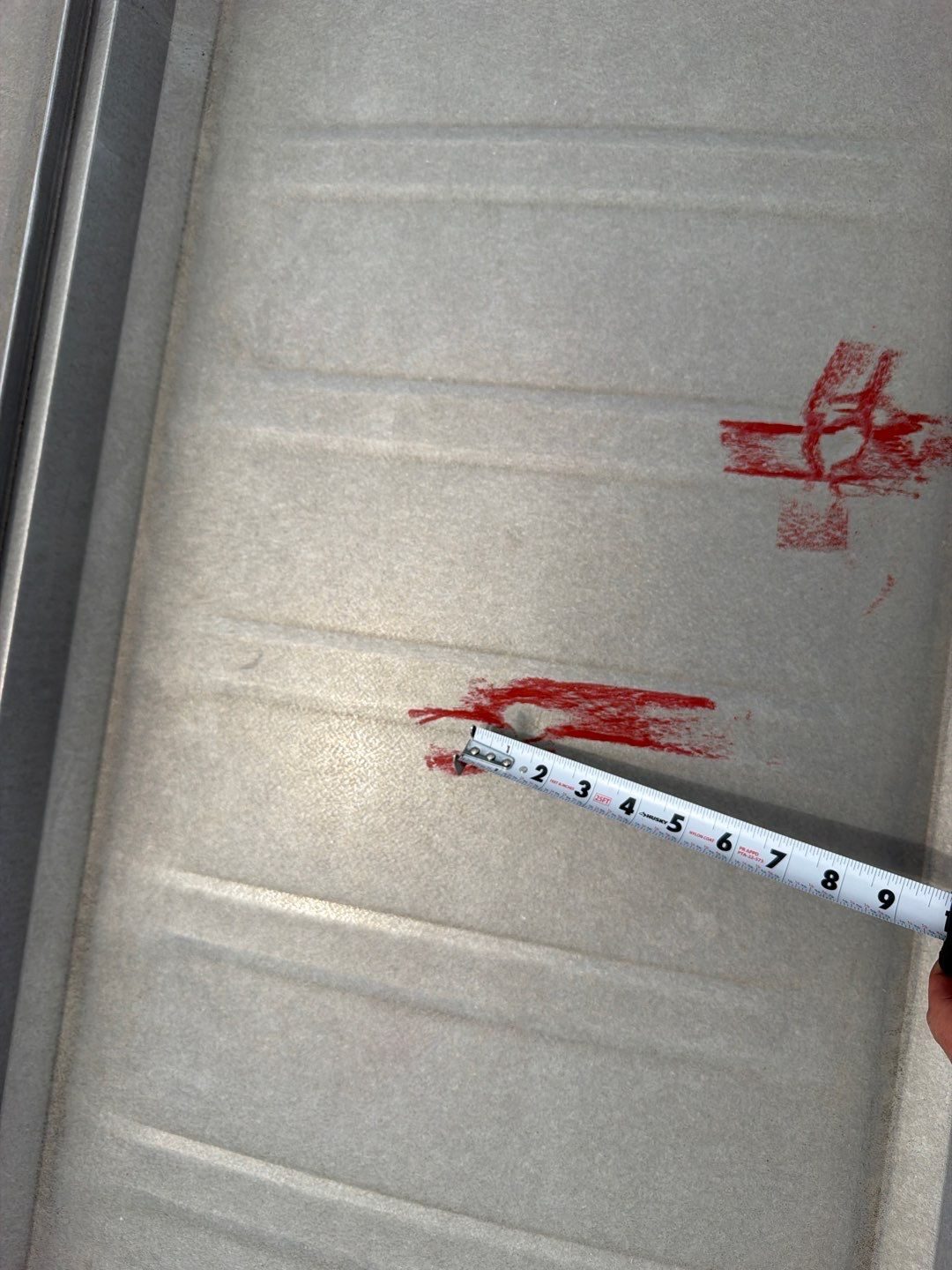
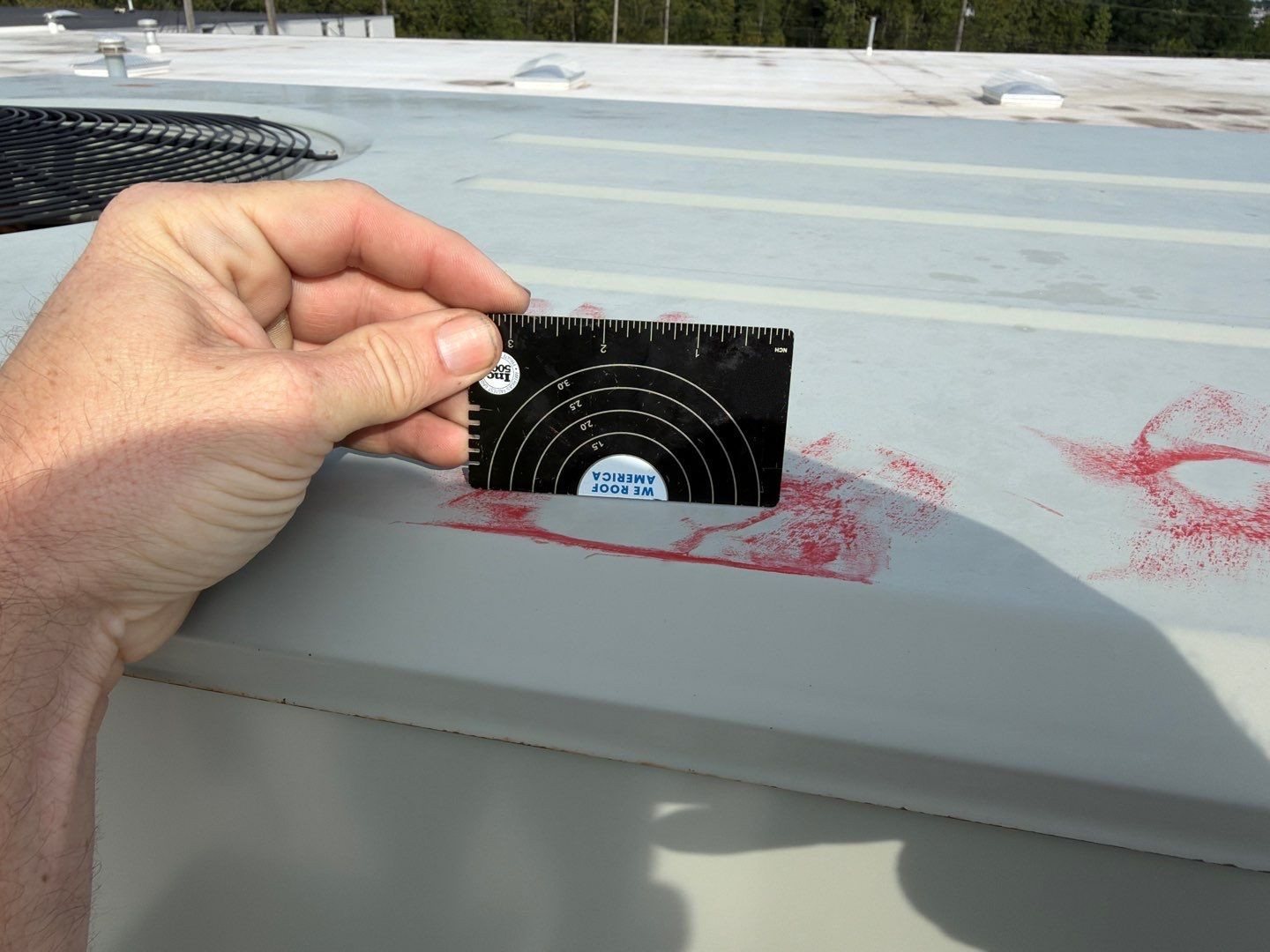
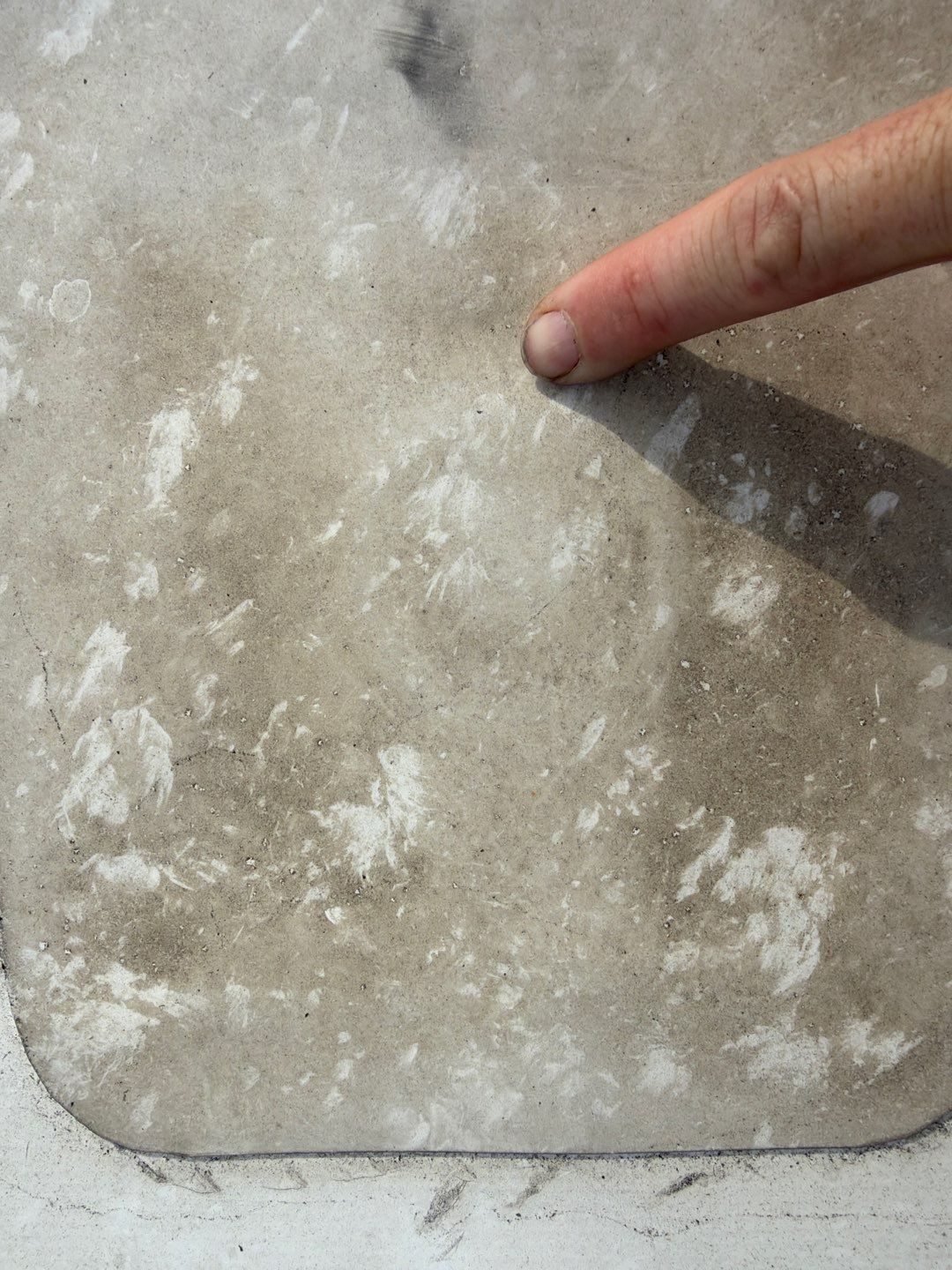
Claim case study
A Southern Illinois owner's claim went from $1.94M to $4.03M+ approved. Results vary; no claim outcome is guaranteed.
Text, call or email. A real person on our team gets back to you.